

Microsoft says NZ contribution hits NZ$9.4bn in FY25
Tue, 21st Apr 2026
Microsoft has released an economic and social impact report for New Zealand, which estimates the company contributed NZ$9.4 billion to the economy in FY25.
Prepared independently by EY-Parthenon, the report outlines Microsoft's direct and indirect footprint across jobs, productivity and technology use in the country. It estimates Microsoft directly supported 4,600 full-time equivalent jobs and sustained a further 49,700 through its partner and customer ecosystem.
The report also puts productivity gains from Microsoft's technologies at NZ$3.4 billion across the workforce. The figures come as businesses and public sector organisations in New Zealand increase their use of artificial intelligence tools and cloud services.
AI uptake
Microsoft says New Zealand ranked seventh globally for adoption of AI tools in some form by the end of 2025 under its Global AI Diffusion index. It also cites modelling suggesting AI could add as much as NZ$102 billion in annual economic value to the country by 2038.
Figures released by Microsoft point to broad uptake of Microsoft 365 Copilot in the local market. Among those using the product are 15 of the top 20 NZX companies, all four of the top banks and 32 government agencies. Seat numbers among customers that bought Copilot in its first quarter of availability in New Zealand have risen by more than 760 per cent.
Customer examples span agriculture, banking and healthcare. PGG Wrightson worked with Microsoft partner Inde to build SkyCount, a livestock auditing tool using drones, Azure and Power Apps. According to the company, a single drone operator can complete stock audits in minutes with 97 per cent accuracy, replacing a process that previously took several days.
Westpac New Zealand has launched a contact centre service that, according to the bank, is cutting call times by up to 30 per cent. In healthcare, Whakarongorau Aotearoa is rolling out a service built on Microsoft Azure AI to provide immediate non-clinical support to people waiting to connect to human care.
Health New Zealand | Te Whatu Ora was also highlighted for its work with Microsoft 365 Copilot in Hauora Māori Services. The tool, known internally as BroPilot, is being used in a way intended to reflect Māori values and expectations around data and security.
Local infrastructure
Part of Microsoft's pitch in New Zealand centres on local infrastructure. The company opened its NZ North cloud region in Auckland in 2024, describing it as the country's first hyperscale cloud region.
Microsoft says the region includes three availability zones and runs on 100 per cent carbon-free electricity. It argues that local data residency and in-country infrastructure are becoming more important as organisations weigh data governance, resilience and access to cloud-based AI systems.
The company also highlighted its regional engineering presence, with a nearly 1,000-strong engineering hub across Australia and New Zealand. The team works on cloud, AI and security products for customers in the region.
One example is Fonterra, where Microsoft engineers helped develop Co-op GPT, a secure assistant built on Azure OpenAI to draw insights from the co-operative's internal knowledge base. Microsoft says local engineering resources let it respond more quickly to customer requirements and work more closely with organisations on product development.
Skills push
Alongside the economic findings, Microsoft says it is expanding its digital skills commitment in New Zealand. The company plans to support a further 200,000 people with workforce-focused AI training by 2028.
The effort will involve partnerships with organisations including Wintec and NZIST, with training, micro-credentials and programmes aimed at different groups of learners, including Māori learners and kura kaupapa Māori. Microsoft also cited work with Stuff and Straker to support te reo Māori translation of news stories using generative AI under human oversight.
In the non-profit sector, Microsoft highlighted the Salvation Army in New Zealand, which has equipped 400 frontline staff with Surface devices through partner Cyclone. The move improved workforce mobility and security for staff delivering services in communities, according to the company.
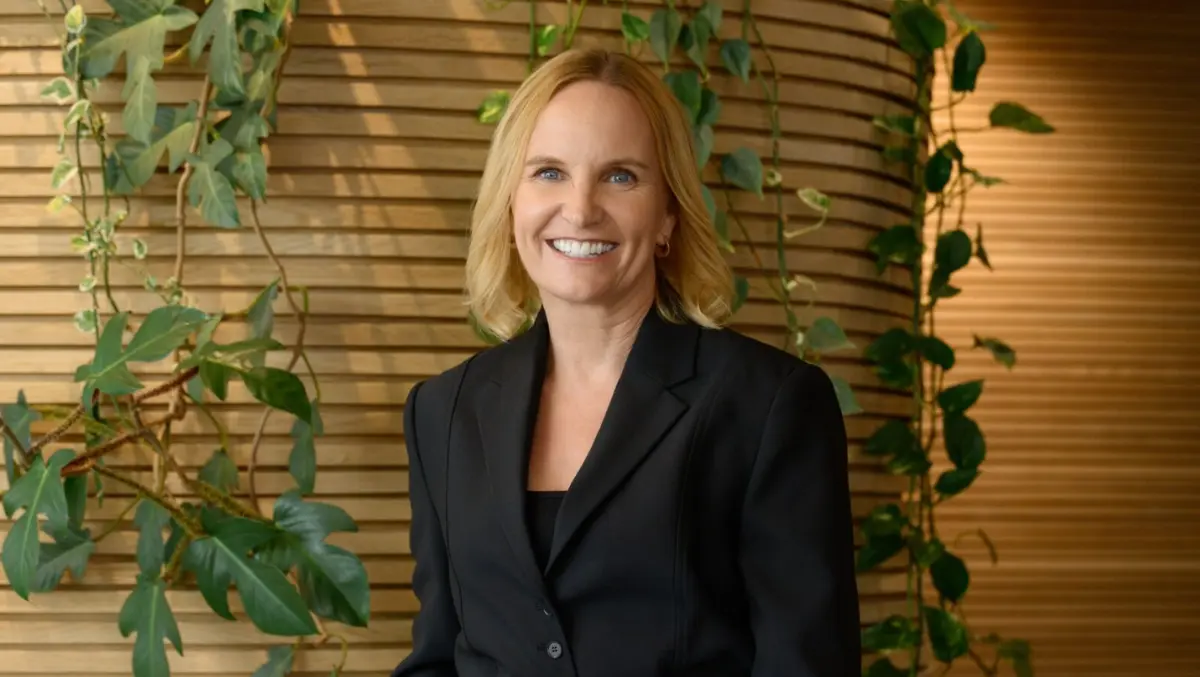
Jane Livesey, President, Microsoft Australia & New Zealand, said, "From the boardrooms of major enterprises to the paddocks of rural innovators, it is clear that Aotearoa is ready to lead in the age of AI."
She said the figures in the report "represent real people, real businesses, and real outcomes."