Christchurch AI platform Caitlyn shines at AWS re:Invent
Thu, 18th Dec 2025
New Zealand artificial intelligence platform Caitlyn has made its global debut at AWS re:Invent in Las Vegas, after being selected for multiple showcase slots at the cloud provider's flagship conference.
The Christchurch-built product, developed by trans-Tasman software firm Custom D, attracted attention across keynotes, awards and startup competitions. The company is positioning Caitlyn as a way for organisations to query large internal knowledge bases through a secure, private generative AI layer.
Caitlyn is already in use in New Zealand and Australia across agriculture, financial services, government and cultural heritage. It focuses on extracting insights from complex, multi-format corporate and institutional data while maintaining traceability of sources.
AWS stage presence
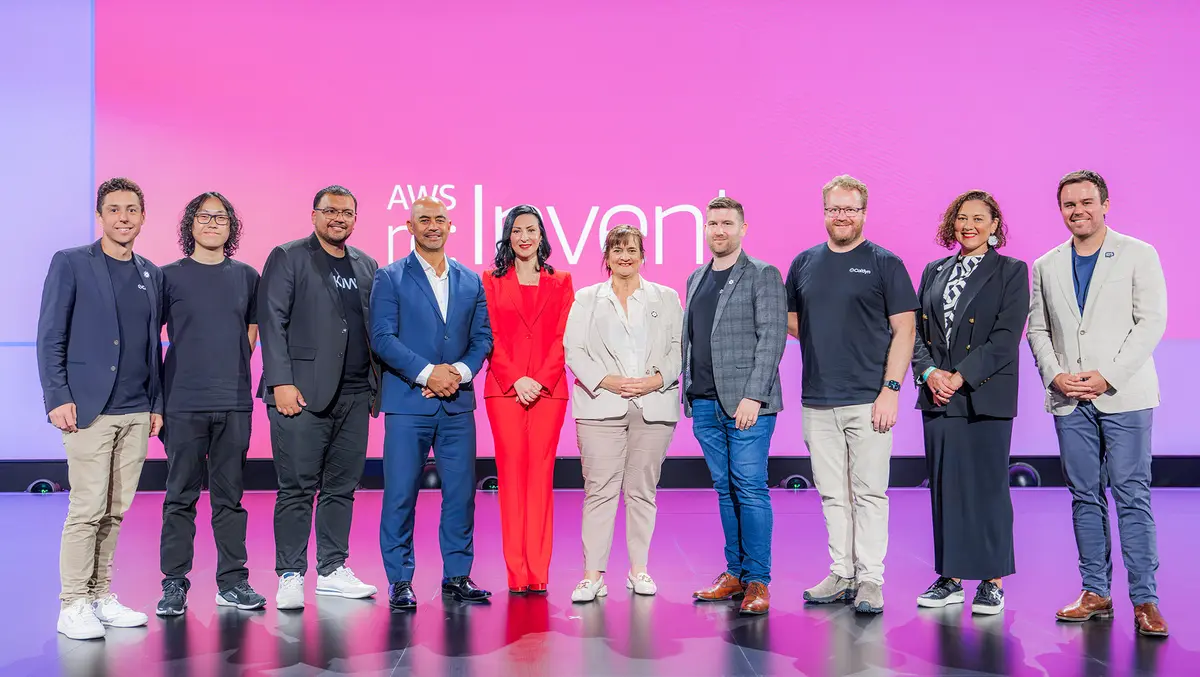
Caitlyn featured in four major segments during re:Invent. It formed the conversational AI layer in an AWS keynote case study with Kiwa Digital. The case study demonstrated how an Indigenous language and cultural archive can sit behind a natural language interface.
The platform was also selected as a finalist in an AWS "Shark Tank" style pitch session. Custom D leaders presented Caitlyn live on stage to Amazon Web Services executives and industry judges as part of a competitive field of emerging AI products.
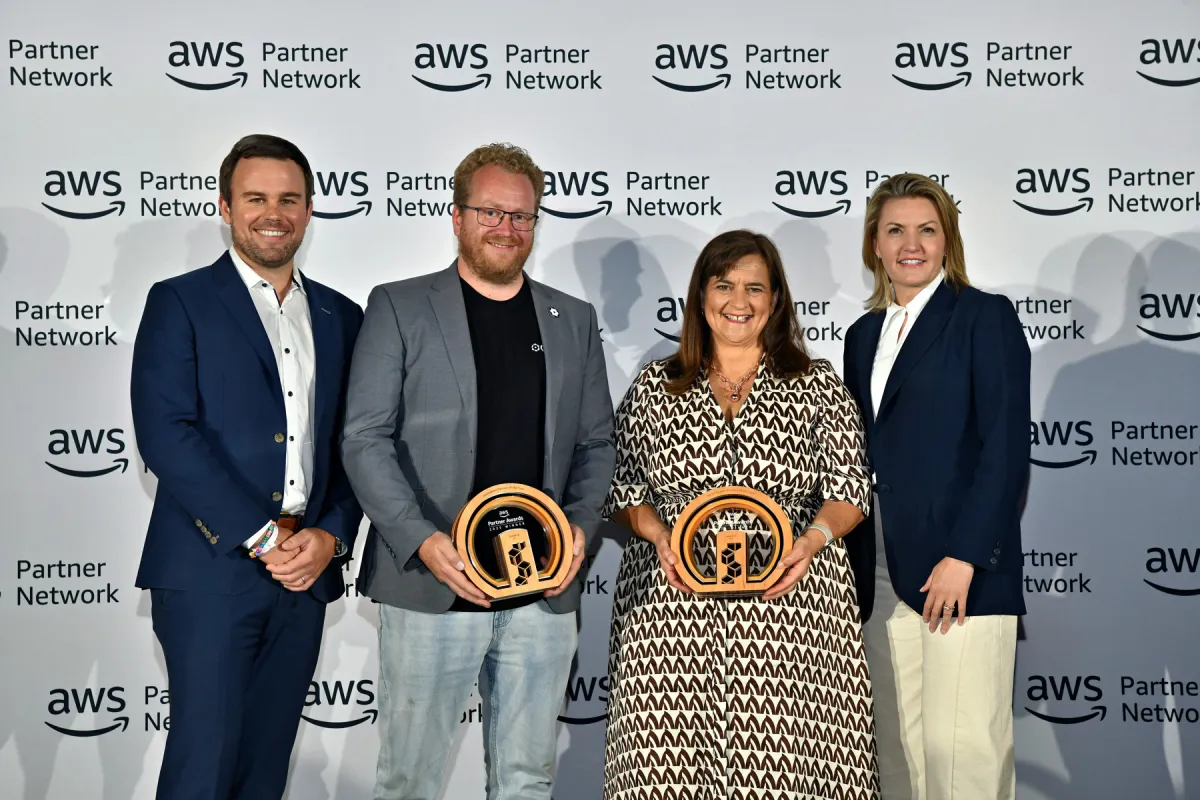
Custom D collected two regional AWS Partner Awards linked directly to Caitlyn. The company received the Innovation Partner of the Year award for Asia-Pacific and Japan. It also received the Social Impact Partner of the Year award in the same region, reflecting work in cultural and high-trust environments.
Custom D Chief Executive Julie Ryan also took a personal role during the week. She appeared on the AWS Asia-Pacific and Japan Women in Leadership panel, alongside other regional executives.
Focus on trust
Custom D links Caitlyn's emergence to growing concern about the reliability and provenance of generative AI. The company targets organisations operating in regulated sectors and knowledge-intensive environments.
Ryan said interest from enterprises reflected a shift away from experimental AI use cases towards verifiable results. "There's a global shift happening. Organisations don't need 'more AI' - they need trustworthy AI that understands their domain, protects their IP, and can explain exactly where the information came from. That's what Caitlyn was built for."
The company states that Caitlyn runs on a secure private infrastructure stack based on AWS services. It processes structured and unstructured documents from across an organisation, then returns answers that cite original sources.
Sector results
Early deployments have focused on agriculture and cultural content. The Foundation for Arable Research in New Zealand reported that Caitlyn drove a 50% increase in engagement with its information resources. The organisation also reported 90% faster access to insights for its users.
Beef + Lamb New Zealand used Caitlyn to open up access to a large body of research. The organisation stated that it had made approximately AUD $100 million worth of scientific research accessible through the platform. Farmers can now query decades of data through a single interface.
Kiwa Digital, a long-running partner for Māori and Indigenous language projects, reported that Caitlyn achieved 96% accuracy across text, audio and visual Indigenous content in its archive. The implementation enables conversational access to material that previously sat across separate repositories.
Custom D claims that these case studies demonstrate Caitlyn's use in domains where accuracy and explainability are critical, including science-based decision-making and cultural preservation.
Engineering investment
The company said Caitlyn's development involved more than 14,000 engineering hours. The work focused on three main areas. Engineers built ingestion pipelines for "messy" multi-format data. They developed methods for maintaining consistency of answers across large-scale knowledge bases. They also embedded source verification and traceability into the response layer.
Caitlyn works with text, audio and visual formats that sit in existing systems. It then indexes that material and exposes it through a conversational interface. Custom D emphasises that the platform draws only on an organisation's own corpus, rather than the public internet, when responding to user questions.
The system sits within AWS infrastructure under a multi-year Strategic Collaboration Agreement between Custom D and the cloud provider. The agreement gives Caitlyn access to AWS routes to market and technical programmes that support partner products in specific industry verticals.
Global expansion
AWS has named Caitlyn as one of its Top 5 generative AI partners in Australia and New Zealand. The recognition places the platform alongside a small group of regional AI-focused firms with access to joint marketing and go-to-market support.
Custom D is now expanding Caitlyn's reach beyond its home markets. The company is targeting customers in Australia, North America and the UK. It is prioritising organisations that handle sensitive or high-value information, including public sector agencies, research institutions and financial services firms.
Ryan said interest from these regions aligns with a broader demand for explainable artificial intelligence. "There's a global shift happening. Organisations don't need 'more AI' - they need trustworthy AI that understands their domain, protects their IP, and can explain exactly where the information came from."