Tauranga stories
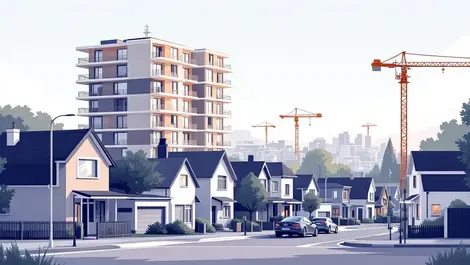
The bill could unlock up to 105,500 extra homes in major cities by letting most sites add three storeys without resource consents.
Property values rose 1.4% nationally in September, but activity is easing as tighter lending and higher rates weigh on buyers.
Westland is the country's most affordable area, with house prices at just 3.2 times income and rent and deposits well below national norms.
Affordability pressures are starting to bite, with Hamilton and Rotorua both posting quarterly falls after a rapid run-up in values.
Values are already falling in Gisborne, New Plymouth and Napier as nationwide house-price growth cools and rate rises loom.
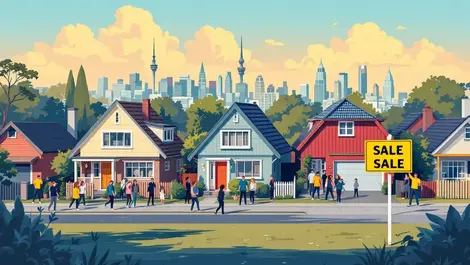
Cheaper provincial suburbs have driven New Zealand's property boom, with Manunui up 51.8% and Hargest selling in just six days.
Government help may be needed as first-time purchasers’ share of the market falls to its lowest level since 2018, CoreLogic says.
Average household incomes rose just 1.3% last quarter, leaving New Zealand house prices at their least affordable level since records began in 2004.
Possible tighter rules could curb investor demand as mortgaged buyers regain a 27% share of the housing market, CoreLogic says.
Additional public and transitional homes will be targeted at regional centres where demand has surged ahead of supply, worsening rents and overcrowding.
Listings fell to record lows as buyers pushed Auckland’s median house price to GBP £1 million and nationwide sales hit a 14-year October high.
Nationwide property values rose 0.8% in September as low rates and scarce listings kept demand firm despite the economic downturn.
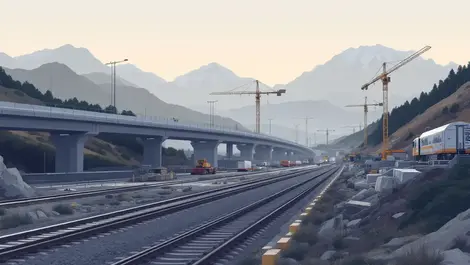
Transport industry groups say decades of stop-start planning could end if National’s $31 billion road and rail programme goes ahead.
The proposed $31 billion programme would reshape commuting in the upper North Island, while relying on RMA repeal and borrowing powers.
Property values have already slipped nationwide, with tourism-dependent centres like Queenstown hardest hit as the recession starts to bite.
Better freight services and more reliable trains are set to follow, as the funding also covers new ferries and ageing locomotives.
Queenstown looks most exposed, with tourism reliance and Airbnb saturation making its property market vulnerable to a COVID-19 downturn.
New roads, rail, schools and hospitals should help address years of underinvestment, though critics question whether USD $12 billion is enough.
A new report has reinforced pressure on ministers to back council infrastructure spending, after all eight cities were classed as severely unaffordable.
Higher borrowing demand and scant listings pushed New Zealand’s national median house price to a record NZD $630,000 in November.