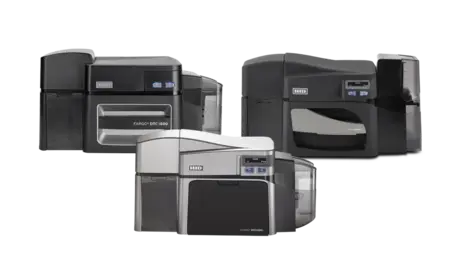
New encryption and watermarking aim to help schools, hospitals and government bodies secure ID cards without replacing existing printing setups.
Enterprises across Australia and New Zealand will gain a new option for automating IT operations as Netpoleon expands its portfolio with BMC Helix.
The memory market grew sharply in 2025, with Kingston taking nearly two-thirds of revenue as AI-driven server demand squeezed supply elsewhere.
The sports-focused device adds AI eyewear to New Zealand shelves, with a built-in camera, voice controls and up to nine hours' battery life.
The appointment gives the cyber security vendor dedicated regional leadership as it adapts partner programmes to varied market conditions across Asia Pacific.
The programme aims to fill a shortage of engineers able to turn AI pilots into live business systems, backed by USD $100 million.
Data centre operators are under pressure to supply their own electricity, opening the door for Honeywell to add on-site power and utilities.
The new system aims to help security teams spot attacks sooner as AI-driven exploitation narrows the window between flaw disclosure and abuse.
Googlebook buyers can use Logitech accessories from day one, with buttons and keys mapped to Gemini tools and other shortcuts.
Rising electricity costs had been squeezing the volunteer-run club's budget, but the new system should save NZD $9,338 a year.
Partner-sourced bookings jumped 186% in the first half of 2026 as Censys deepened support for resellers and distributors.
SME suppliers in Schneider Electric's partner network will get carbon-tracking software and advisory support, after early pilots found savings opportunities.
The update lets Windows users run bigger AI models on-device, as AMD bids to make local processing a rival to cloud-based services.
Hiring by security vendors jumped 43% last quarter as AI and a tougher threat environment widened the split with slowing enterprise software roles.
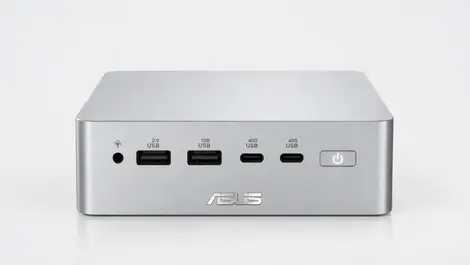
The compact desktop is aimed at businesses and developers wanting faster, private on-device AI, while reducing reliance on cloud services.
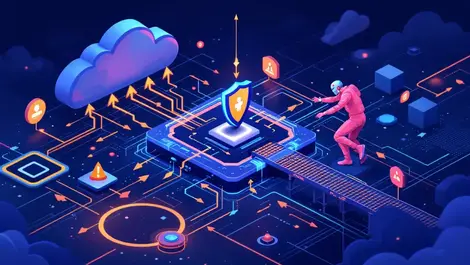
Threats are now spanning identities, cloud and software supply chains, with AI speeding attacks and complicating defence, Microsoft says.
The move could help the workforce solutions provider stretch existing flash capacity across production, backup and disaster recovery as data grows.
Enterprise buyers are moving AI security tools into live operations as staffing shortages and alert overload push automation deeper into the SOC.
Encrypted data exchanges in smart transport can now run far faster on Intel chips, easing a key barrier to edge AI deployment.
It aims to help operations teams pinpoint outage causes faster by turning packet data into plain-language answers, evidence and follow-up prompts.