

Samsung hosts Bengaluru AI conference with 300 participants
Tue, 18th Aug 2026
Samsung R&D Institute India-Bangalore hosted the second edition of Samsung ennovateX 2026 in Bengaluru, bringing together more than 300 participants from industry, academia and start-ups.
Held under the theme "AI for Living", the event focused on artificial intelligence, with sessions on proactive AI, multimodal and physical AI, and AI-enabled 6G infrastructure. The programme featured keynote talks, panel discussions, tutorials, a start-up pitch competition and a hackathon.
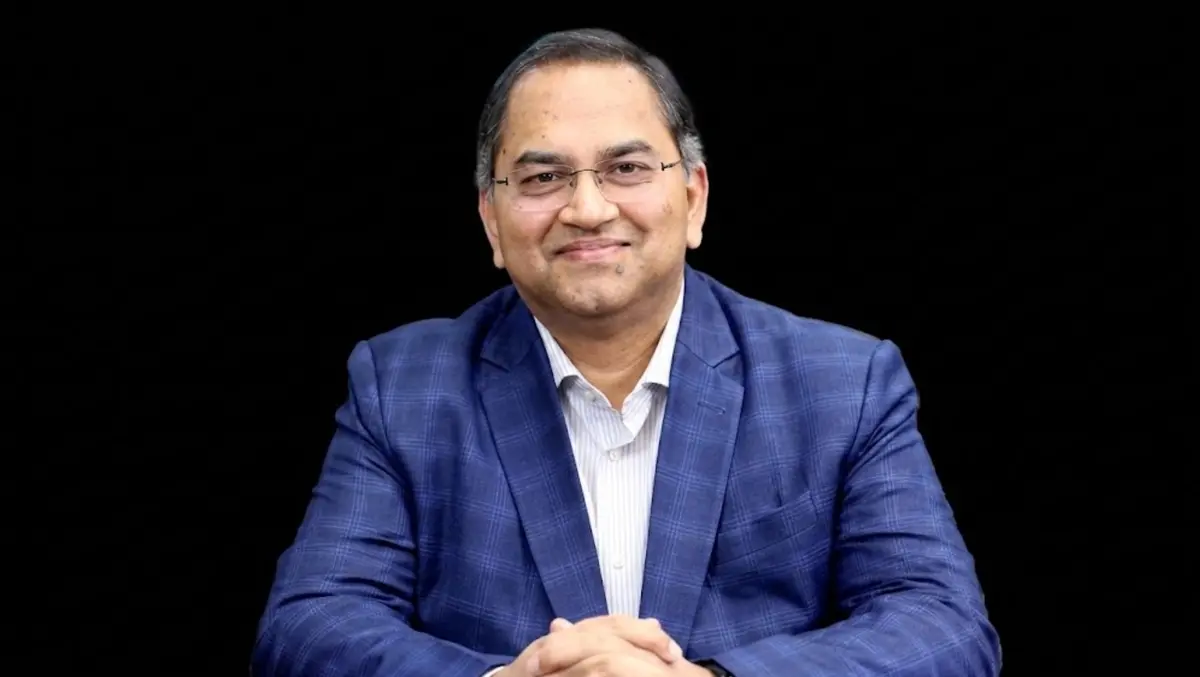
Mohan Rao, Corporate Vice President and Managing Director, Samsung R&D Institute India-Bangalore, outlined the company's view of how AI should fit into daily life.
"AI is about creating meaningful experiences that become a natural part of everyday life. We are building AI that is deeply personal, context-aware and responsibly designed to make technology more intuitive, accessible and impactful for everyone. Samsung ennovateX reflects our belief that breakthrough innovation happens when industry, academia, researchers and entrepreneurs come together to solve real-world challenges," Rao said.
Samsung R&D Institute India-Bangalore describes ennovateX as its flagship technology conference. The second edition broadened discussion around frontier AI and its use across devices, networks and software systems.
Conference agenda
Speakers included Harsh Dhand, Director, AI Partnerships, Google Asia Pacific; Dr. Kumar Sivarajan, Chief Technology Officer, Tejas Networks; Prof. Navakanta Bhat, Dean, Division of Interdisciplinary Sciences, IISc Bengaluru; and technology leaders from Samsung R&D Institute India-Bangalore.
Topics ranged from proactive AI agents and the concept of a unified AI operating system to the hardware and software needed at the edge. Other sessions examined physical AI, multimodal systems, and the development of 6G and AI-RAN infrastructure.
A central theme was collaboration among research institutions, companies and early-stage ventures. The conference also addressed responsible AI development, commercialisation, research partnerships and demand for specialist talent.
Panel debate
One of the main discussions was a panel titled "AI 2030: Possibilities and Challenges", moderated by Manu Prasad, Senior Director and Head of Tech Strategy & Consumer Experience, Samsung R&D Institute India-Bangalore.
The panel featured Vishal Katariya of Ankur Capital, Arjun Rao of Speciale Invest, Shubham Sandeep of pi Ventures, Prof. Debabrata Das of IIIT Bangalore and Anant Lambade of Microsoft. It explored how intelligent systems may evolve over the next decade and what constraints could shape that path.
The line-up reflected the broad range of organisations now involved in AI development in India, spanning large technology groups, telecoms infrastructure, academic research and venture investors. That mix is becoming increasingly important as companies seek both technical research and paths to commercial deployment.
Competition winners
The conference also used competitions to spotlight companies and students working on AI projects. In the AX Start-up Pitch, more than 50 AI start-ups presented products and ideas across emerging technology fields.
Camb.AI won the start-up competition and H2Loop was runner-up. In the AX Hackathon, students from VIT Vellore took first place, while students from NIT Rourkela finished second.
The results highlighted the role of student developers and early-stage companies in India's AI pipeline. Large technology groups increasingly use hackathons, accelerator programmes and technical forums to identify talent and track ideas emerging from universities and start-up networks.
Samsung used the conference to emphasise its interest in a broader AI ecosystem beyond its internal research teams. The event was intended to connect researchers, developers, entrepreneurs and technology leaders working on the next phase of AI.
That message comes as India's technology sector seeks to strengthen its position in deep-tech research as well as software services. AI has become a major part of that effort, particularly in areas such as multimodal models, edge computing, telecoms infrastructure and applied research linked to consumer technology.
The Bengaluru event showed how major companies are trying to shape that conversation by bringing universities, investors, start-ups and established businesses together. It also reflected how AI debates in India now span technical design, infrastructure needs, commercial use and questions of responsible development.
More than 300 technology and business leaders, researchers and innovators attended the day of sessions, competitions and discussions on the future of AI.