Civil Engineering stories
The sector's 10,000-worker shortfall could widen unless more students see water jobs beyond engineering, Water New Zealand says.
With more than 600 delegates expected, the event will put transport, procurement and pipeline concerns in front of election-year politicians.
After years of disruption, passengers will gain quicker journeys and better city access when the underground rail link begins service on 13 September.
New construction modelling and classroom sign-in changes are meant to make the free earth science tool more useful for teaching and engineering courses.
The first 26-kilometre stretch is due to open in 2033, after the Government closed a NZD $3.649 billion deal for the route.
The rise in graduates has not kept pace with demand, as New Zealand still needs up to 2,300 extra engineers a year.
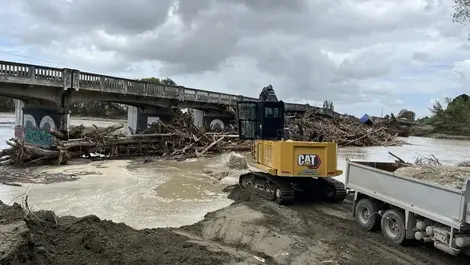
A flood-scoured pier collapse left the Main South Line exposed because bridge-specific controls were missing and general procedures proved inadequate.
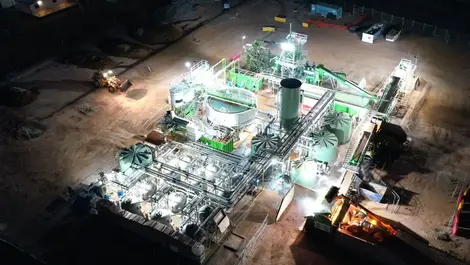
Victoria’s new soil-washing plant will let construction firms reuse polluted earth, easing landfill pressure as infrastructure demand rises.
Hawaii is testing whether roadbuilding can reduce landfill pressure by turning marine debris and household plastic into asphalt without extra shedding.
Transport agencies now have clearer evidence to cut early cracking risks and better match thin asphalt pavement design with real-world performance.
Ground investigation teams can now cut manual re-entry and share lab results faster as Seequent links field and laboratory workflows.
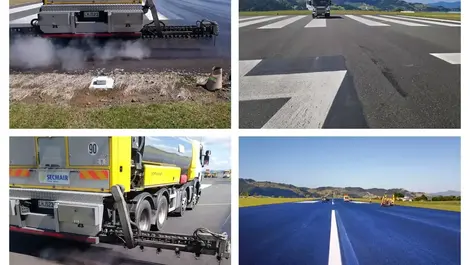
A cost-saving runway treatment has delayed major resurfacing for Whangārei Airport, with the pavement still safe after six years of wear.
Residents in Glentunnel could see New Zealand’s first rubber road next January as Selwyn District weighs a trial using recycled tyres.
Residents face safer homes and roads as Hawke’s Bay Regional Council races to deliver a GBP £125 million flood programme after Cyclone Gabrielle.
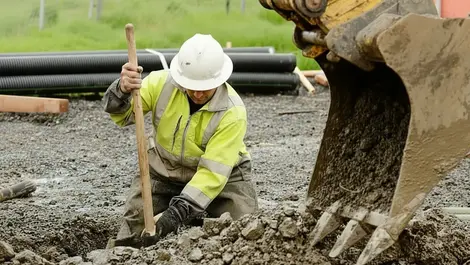
Poor planning can turn excavation into one of construction’s deadliest jobs, with collapses, falls and buried services putting crews at risk.
AI could slash delays and rework in New Zealand construction by linking site and office data, Billie Onsite's Annie Liang says.
Live data aims to cut delays and boost confidence on UK concrete pours as contractors seek to verify filling, pressure and strength in real time.
Demand for data centre and critical infrastructure work is driving the consultancy's early-career workforce to 17.3% of staff.
Construction teams could replace spreadsheets and scattered tools as RIB rolls out an AI-native platform aimed at faster decisions in UK projects.
UK patent filings drop 3.3% after three years of growth as EPO applications pass 200,000 for the first time, led by US, Germany and China.