Data Security stories
A mix of local and global systems could shield New Zealand services from cyberattacks and natural hazards while preserving control over critical data.
Outdated software left internet-linked devices exposed, with supermarkets warned the same flaw could disrupt everyday shopping in New Zealand.
Rising AI-driven scams are prompting agencies to push basic defences, as the annual awareness drive urges New Zealanders to act before breaches bite.
The new add-ons aim to help businesses avoid restoring infected files after cyberattacks, as Microsoft 365 remains a prime target for ransomware.
Varonis shareholders will receive USD $49.75 a share in cash, valuing the data security group at a 52% premium and taking it private.
The launch aims to help firms curb AI-driven exposure of sensitive information by linking data discovery, analytics and protection in one tool.
The security software company will use the money to expand sales and support as enterprises race to govern AI agents accessing sensitive systems.
Financial firms can now assess privacy-preserving AI tools faster as DataMasque joins MAS's PathFin.ai library to mask sensitive customer data.
The rollout lets bankers use AI on sensitive client work while keeping data inside Deutsche Bank's own technology environment.
Backers are betting that enterprise AI oversight will need sharper tools, as the security software company brings total funding to USD $140 million.
Privacy-conscious homes get new choices as LG and Apple roll out seven connected devices, including cameras, a lock and a thermostat.
The appointment signals Glean's push to turn rising enterprise AI interest in Australia and New Zealand into bigger contracts and local growth.
The integration aims to curb prompt injection, data leakage and unauthorised actions as firms shift AI from pilots to critical systems.
AI could free HR teams from routine admin, but Workday says sensitive hiring decisions need deterministic guardrails and explicit human oversight.
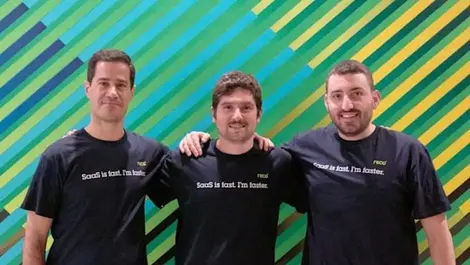
The deal lifts Reco's total funding to USD $140 million as enterprises race to govern AI agents linked to sensitive systems and data.
The platform is designed to help firms expose and protect sensitive data as AI assistants and machine identities widen access paths across systems.
The recognition gives Plaud a mainstream endorsement as wearables that turn conversations into notes seek wider business and consumer adoption.
The tool aims to help procurement teams spot and pursue savings faster, as companies seek clearer returns from AI investment.
The London start-up will use the funding to expand autonomous attack testing as firms face more frequent, AI-driven cyber threats.
AI-generated phishing is making employee vigilance less reliable, pushing organisations towards passkeys and phishing-resistant multi-factor authentication.









.webp)