Interoperability stories
Enterprises could cut the manual work of linking AI and cloud systems as Equinix readies a managed service built on an open standard.
The Surrey software group will push past 400 staff this year as it adds customer-facing roles to meet surging demand for AI-ready data.
Customers can run AI workloads on OneLake data in place, reducing the need for ETL pipelines and duplicate copies across systems.
Enterprises will be able to place AI inference nearer to users and data, while Equinix tackles the networking sprawl across clouds and sites.
The programme targets buyers seeking integrated urban systems as Asia's cities race to link safety, data and emergency response.
The text-based agent aims to simplify control of connected appliances by letting users describe plans in natural language rather than set routines.
Hidden complexity is slowing Asia Pacific firms' AI and cloud upgrades, as ageing Java estates become harder to maintain and secure.
Security teams could spot insider threats sooner as Exabeam joins Google's recommended partner programme for behavioural analytics tied to AI agents.
Stand-alone spending remains tiny, but the sector is set to more than triple as firms struggle to stitch together fragmented digital twin tools.
Unified identity systems can cut admin overhead and shrink attack surfaces as remote work and cyber threats blur physical and digital access.
Participants will hear fresh evidence on scams and digital trust as Southeast Asia weighs tougher rules for a fast-growing digital economy.
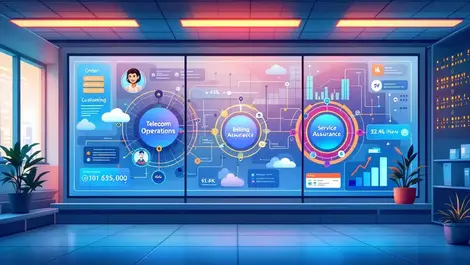
Telcos could cut manual handovers and supplier rebuilds as the software embeds AI into ordering, support and billing workflows.
Excessive reliance on foreign platforms is leaving governments and businesses vulnerable to price shocks, lock-in and lost control.
As crowds swell and costs rise, venue operators are turning to AI to spot risks sooner and keep events running smoothly.
The industry-owned platform could let smaller lenders offer tokenised deposits and stablecoins without ceding control of payments infrastructure.
Organisations exiting HP Anyware can now migrate with fewer hardware changes, as 10ZiG and Leostream offer a vendor-neutral alternative.
The tie-up could help institutional investors cut settlement friction as the pair test tokenised assets and digital cash for superannuation operations.
Institutional traders on Canton can now settle tokenised asset trades in a dollar-backed stablecoin as World Liberty Financial moves USD1 into its network.
Korean banks could cut costs and delays on overseas transfers as the firms connect domestic payment infrastructure to live settlement rails.
Budget pressure is forcing CIOs to revisit cloud contracts as exit costs, egress fees and proprietary tools erode promised flexibility.