Flexible work stories
Gen Z and millennials are driving shorter job stints, leaving employers to rethink retention as average tenure settles at two to four years.
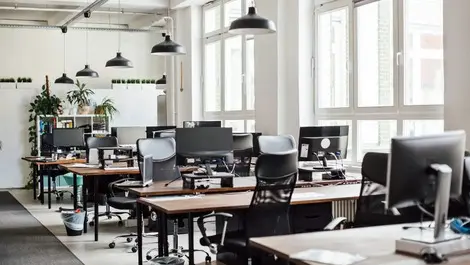
Hybrid working is driving up waste and costs in offices, as building managers struggle to predict occupancy and energy demand.
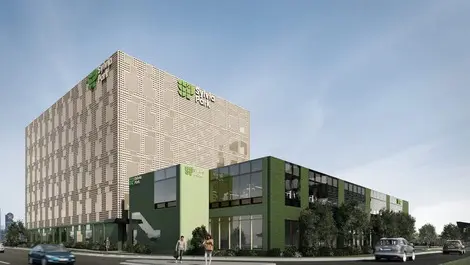
Demand for flexible space outside Auckland's central city is driving pre-leasing at Kiwi Property's $63 million Sylvia Park development.
Manufacturers risk losing contracts and output as a government report warns the labour gap could top 40,000 workers by 2028.
Clear job descriptions and flexible working are key to preventing quiet quitting from denting morale and productivity.
Remote employees are at greater risk of burnout and isolation, making regular breaks and clear boundaries vital for well-being.
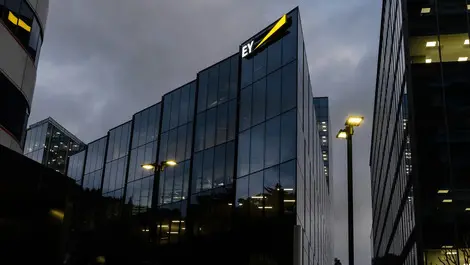
Tenants including EY and Fujitsu are moving into a seismically resilient six-storey building, lifting Wellington’s office supply by 10,049sqm.
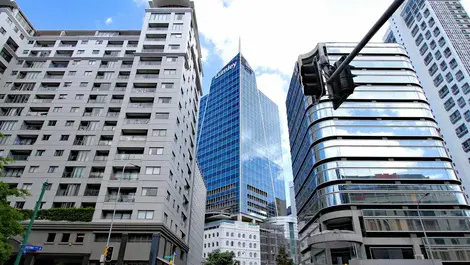
Prime office shortages are squeezing Auckland, Wellington and Christchurch, even as higher costs and hybrid work test new projects.
Retention hinges on better support, recognition and safer workloads as a McKinsey report warns more nurses are considering leaving direct patient care.
New Zealand businesses are embracing flexible working but must also prioritize cybersecurity to protect data from cyber threats.
Vacancy rates are easing, but the shift to prime offices and hybrid work will keep reshaping property demand well beyond 2022.
Office vacancies are set to rise as firms and staff keep embracing remote work, squeezing rents and delaying landlords’ recovery.
Out-of-hours messages are linked to burnout and poorer health among university staff, with researchers urging firms to respect the right to disconnect.
Aa hybrid workplace must equally consider the needs of in-person employees and remote employees and set up an arrangement that benefits all.
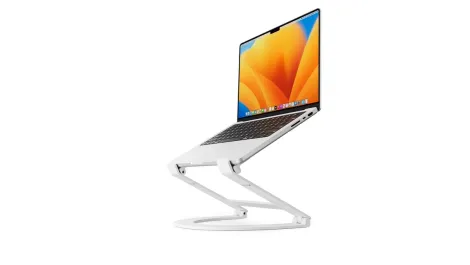
Twelve South has recently launched its new elegant MacBook stand, the Curve Flex, which will make your MacBook more flexible.
The four-day week is gaining traction as a new frontier in flexible work, but is it the answer? Employees across the APJ region weigh in.
Dicker Data, an Australian tech company, leads the way in female representation with a 40% female workforce and a 50/50 male to female board ratio.
Many Australian businesses face worker shortages due to closed borders and Omicron isolation requirements, causing operational challenges.
While there is some desire to return to the office, most employees want to continue working from in some capacity, according to a recent report.
Employees are moving towards a hybrid work model, with nearly 80% preferring it, as offices struggle to entice them back after lockdowns.