Flexible work stories
Remote work, home schooling and digital healthcare could outlast the pandemic, reshaping cities, travel and emissions for years to come.
Health and hygiene measures are likely to become permanent fixtures as the COVID-19 outbreak pushes employers to rethink office design and indoor air quality.
Isolation and confusion can derail new home-working teams, but clearer routines and the right tools help keep work on track.
The book’s release comes as employers worldwide trial shorter weeks, chasing higher productivity and better staff wellbeing.
Digital monitoring, AI and online platforms are heightening stress, blurring boundaries and complicating safety rules for workers, experts warn.
Flexible workspaces could create around 7,600 new jobs and add NZD $1.7 billion per year to New Zealand's economy by 2029, a new report suggests.
Productivity rose almost 40% in Japan as the software group tested a shorter week, hinting at a possible cure for overwork culture.
Flexible workspaces allow businesses to go global without the headache of setting up and maintaining a permanent office or workforce.
Flexible working could slash office costs and give staff a workspace near home, as Regus pitches on-demand offices to firms.
Flexible work could cut New Zealand’s CO2 emissions by 900,000 tonnes a year and add up to NZ$18.1 billion to the economy by 2030.
Skills shortages are forcing infrastructure firms to widen hiring, as sector leaders say diversity and inclusion are key to future growth.
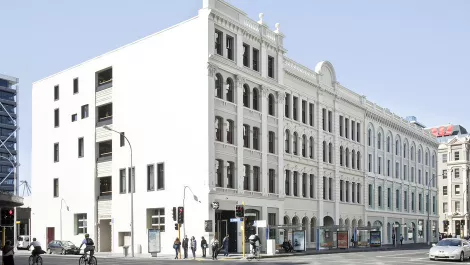
Precinct Properties takes full ownership of Auckland's Generator, leading to founder Ryan Wilson's departure but promising new opportunities for expansion.
Remote working is becoming a reality for many, with 83% of professionals saying they can accomplish all tasks remotely, according to a new report from GitLab.
Excessive working hours, forced labour and discrimination are some of the problems that risk workers' health in the IT industry.
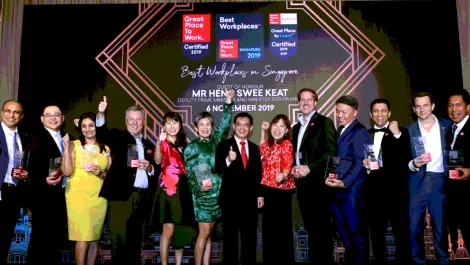
HubSpot, Grab, and FireEye are named among Singapore's Best Workplaces 2019, lauded for fostering trust, pride, and camaraderie among employees.
Freedom will transform agent performance, enabling Natterbox users to work from wherever they want on whatever device they want to work on.
The new features include more options to protect data without interrupting employees' requirements to get work done.
BlueJeans' CEO outlines five trends that highlight the growing place of video conferencing in the modern enterprise.
73% of small business owners say they are not likely to lose their jobs or be negatively affected by artificial intelligence (AI) and robots.
A recent survey by Snow Software reveals that 71% of Australian workers always bring their work laptops on vacation, struggling to disconnect.